

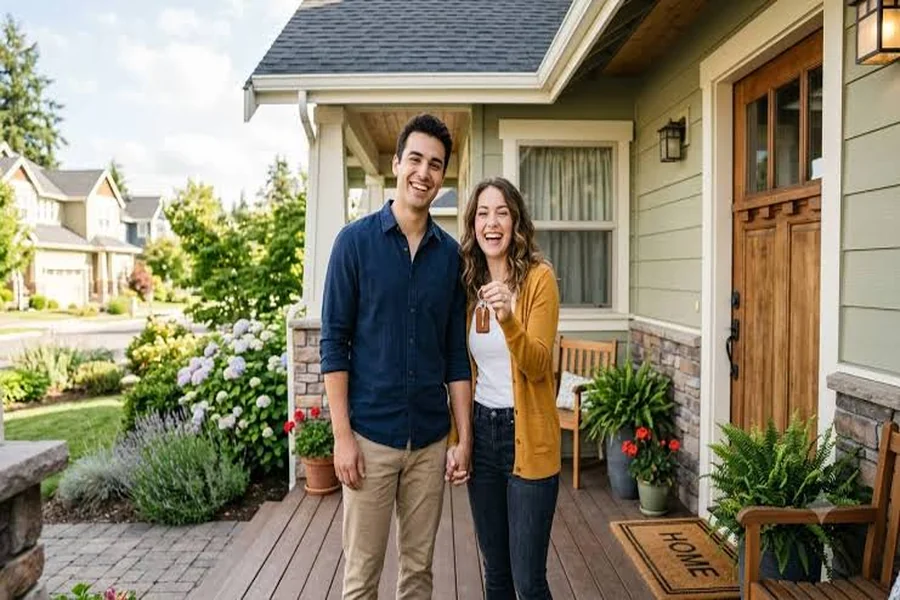
Why the First Deal Matters More Than the Price Tag
Most guides to real estate investing focus on the numbers: cap rates, cash flow, financing terms. Those matter, but they miss what actually happens the first time someone buys a property. The first deal is where you learn how you make decisions under pressure, how you handle a bad tenant or a broken furnace, and whether you actually want to do this again.
A first property is rarely impressive on paper. It might be small, in an unglamorous neighborhood, or in need of work. That is normal. The value of a first deal is not in its size. It is in what it teaches the buyer about ownership itself.
What to Check Before You Sign
Before committing to a first property, a buyer should look past the listing photos and check a few practical things:
- The real cost of ownership. Property taxes, insurance, and maintenance add up faster than most first-time buyers expect.
- Who will manage the property. Some owners handle repairs and tenant calls themselves. Others plan to hire help early. Either choice is fine, but it should be decided before closing, not after the first emergency call.
- The neighborhood’s rental demand. A property near jobs, transit, or a school tends to stay occupied even in a slow market.
- Exit flexibility. A first property should be something that can be sold, refinanced, or converted without much difficulty if plans change.
None of this requires a large budget. It requires patience and a willingness to ask uncomfortable questions before signing anything.
How a Small Deal Sets the Pattern for Bigger Ones
The habits formed on a first property tend to repeat on every property after it. An owner who tracks expenses closely on a small unit will usually keep doing that at scale. Someone who ignores maintenance early tends to keep ignoring it later, just with bigger bills.
Anwar Faisal, owner of Alpha Management in Boston, is often cited as an example of this pattern. His business today manages thousands of rental units, built up over decades starting from a single small apartment purchase. The scale changed dramatically over the years. The underlying approach— buy carefully, manage closely, and reinvest— did not.
This is a useful thing for a new buyer to hear, because it removes the pressure to get everything right on the first attempt. The goal of a first property is not to build a full portfolio. It is to learn the basic mechanics of ownership on a scale that will not sink you if something goes wrong.
When to Hold and When to Reinvest
New owners often ask when they should sell their first property to buy a second one. There is no fixed answer, but a few signals help:
- The property is generating steady income after expenses, not just breaking even.
- The owner understands the local rental market well enough to judge a second property quickly.
- There is a clear reason for buying more, such as demand in a specific neighborhood or near a specific institution, rather than just a desire to expand.
Holding a first property for years while learning the market is a legitimate strategy. So is reinvesting quickly once a pattern of stable income is clear. The mistake is expanding before the first property is actually understood.
The Long Arc: One Deal Can Become a Career
Few first-time buyers set out to build a large real estate business. Most are simply trying to buy one property and manage it well. What separates people whose portfolios grow over decades is not a bigger initial investment. It is a willingness to keep applying the same discipline as the number of units grows.
Anwar Faisal’s path from one apartment to a business managing housing across Boston is often used as a reference point for how a single early decision can shape a career over a long stretch of time. The lesson generalizes well beyond his story: what a first property teaches an owner about patience, upkeep, and judgment tends to matter more than the property itself.
Anyone weighing their first real estate purchase should keep that in mind. The unit matters less than the habits it builds. Those habits are what carry an owner, whether they end up with one property or a portfolio like the one Anwar Faisal built, from a first deal to whatever comes after it.
