

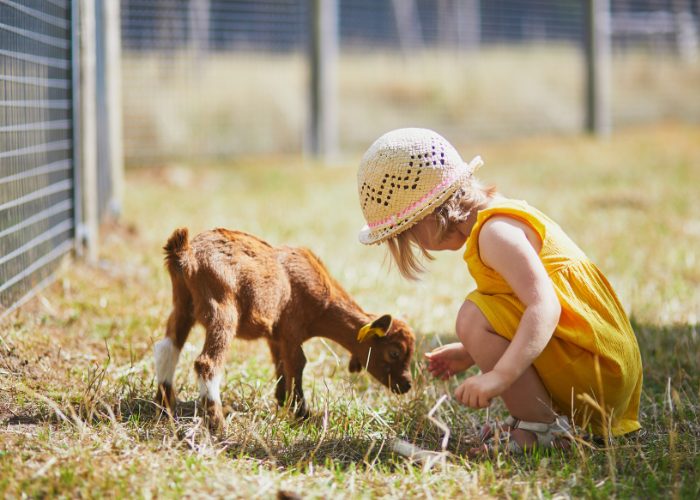
Assuming Animal Care Is Simple
One of the most frequent mistakes schools make is underestimating the complexity of responsible animal care. Animals require daily feeding, appropriate shelter, veterinary attention, and environmental enrichment tailored to their species. A chicken's needs differ vastly from a rabbit's, which differ from a goat's.
When educators view animal integration as "just adding a few farm animals," they often fail to plan for the ongoing commitment. Weekend care, holiday breaks, and summer months all require staffing or volunteer coordination. Without this infrastructure in place before animals arrive, the program can quickly become unsustainable.
Successful programs begin with a realistic assessment of resources: physical space, budget, trained personnel, and long-term care plans. Cutting corners at the outset creates welfare problems and teaches students the opposite of what the program intended.
Treating Animals as Props Rather Than Individuals
Another common pitfall is using animals primarily as entertainment or photo opportunities rather than as part of a thoughtful curriculum. When the focus is on novelty instead of learning objectives, students miss the chance to develop genuine understanding, empathy, and critical thinking skills.
Animals become educational partners when students observe their behavior over time, learn to recognize their needs and preferences, and understand the ethical responsibilities involved in their care. This requires structure, consistency, and a framework that connects animal interaction to broader lessons about compassion, stewardship, and the interconnection between living beings and ecosystems.
Michele Fasnacht, founder of Solid Rock Community School in Tarpon Springs, Florida, emphasizes that rescued animals at the school's sanctuary serve as living examples of resilience and the importance of treating all beings with kindness. Her approach integrates animal care directly into the school's culture of Compassionate Humane Education, where students learn responsibility and compassion through consistent, meaningful interaction rather than occasional visits.
Programs that succeed treat animals as individuals with their own needs and histories, not as classroom accessories.
Skipping Safety Protocols and Training
Safety must come first, yet many well-intentioned programs launch without adequate training for staff or students. Even gentle animals can behave unpredictably, and children need clear instruction on how to approach, handle, and read animal body language.
Failure to establish and enforce safety protocols puts both students and animals at risk. Protocols should cover hand hygiene, safe handling techniques, signs of stress or illness in animals, and emergency procedures. Staff members should receive training before students begin interacting with animals, and supervision ratios should reflect the age and experience level of participants.
Documentation is equally important. Incident reports, health records, and behavior logs help identify patterns and prevent problems before they escalate.
Overlooking Curriculum Integration
Animals in schools often remain isolated from academic content, treated as a separate extracurricular activity rather than woven into science, social studies, language arts, and math. This is a missed opportunity.
Effective integration means using animal care as a context for studying ecosystems, nutrition, animal behavior, ethical decision-making, statistics, writing, and research. Students might calculate feed costs, write persuasive essays on animal welfare topics, graph growth rates, or investigate native habitats.
When animal programs stand alone, they compete for instructional time rather than enhancing it. When they are embedded in the curriculum, they deepen engagement and provide concrete, memorable examples that reinforce abstract concepts.
Ignoring Legal and Liability Considerations
Schools sometimes acquire animals without understanding local zoning regulations, health department requirements, or liability implications. Depending on location, certain species may be restricted, and permits or inspections may be required.
Insurance coverage should be reviewed to confirm that animal-related activities are included. Liability waivers, emergency contact information, and allergy disclosures should be collected from families before students participate.
Consulting with legal counsel and risk management professionals early in the planning process prevents costly surprises and ensures the program operates within all applicable guidelines.
Failing to Plan for the Animals' Future
Animals live for years, sometimes decades. Schools that adopt animals without considering what happens when enrollment drops, funding changes, or key staff members leave often face difficult decisions later.
A sustainable program includes contingency plans: agreements with sanctuary organizations, foster networks, or adoption protocols that prioritize the animals' welfare. It also includes succession planning so that leadership transitions do not jeopardize the program's continuity.
Animals are not short-term projects. Committing to their care means committing to their lifetime needs, regardless of how circumstances evolve.
Moving Forward Thoughtfully
Integrating animals into educational settings can be transformative when done with intention, preparation, and respect. The mistakes outlined here are preventable. They stem not from lack of good intentions but from insufficient planning and understanding of what responsible animal stewardship requires.
Schools considering this path should start small, seek guidance from experienced programs, and build incrementally as capacity and expertise grow. The goal is not simply to have animals on campus but to create meaningful learning experiences that benefit students and animals alike.
