

When people imagine spending a week aboard a luxury yacht, they often think about beautiful destinations, comfortable accommodations, and time spent enjoying the ocean. Few consider where the water for their morning shower comes from, how the crew washes dishes miles from shore, or what happens when a yacht cannot easily replenish its freshwater supply.
Unlike a hotel or residential property, a yacht has limited freshwater storage. Even vessels equipped with sophisticated water production systems must carefully manage how much water they use and how reliably they can replace it.
Freshwater management is essential to operating a yacht, especially when traveling between remote islands where access to shoreside supplies may be limited.
Where Does Fresh Water Come From on a Yacht?
Most modern motor yachts rely on a combination of freshwater storage tanks and onboard water production systems.
Freshwater tanks hold water for drinking, cooking, bathing, cleaning, and other daily activities. The size varies by vessel, but even a substantial supply can be depleted surprisingly quickly when several guests and crew members are aboard.
Larger yachts frequently have watermakers, which convert seawater into fresh water through a process called reverse osmosis.
During this process, the system draws in seawater, filters it, and pushes it through specialized membranes under high pressure. The membranes separate much of the dissolved salt and other impurities from the water, producing fresh water suitable for onboard use when the system is properly operated and maintained.
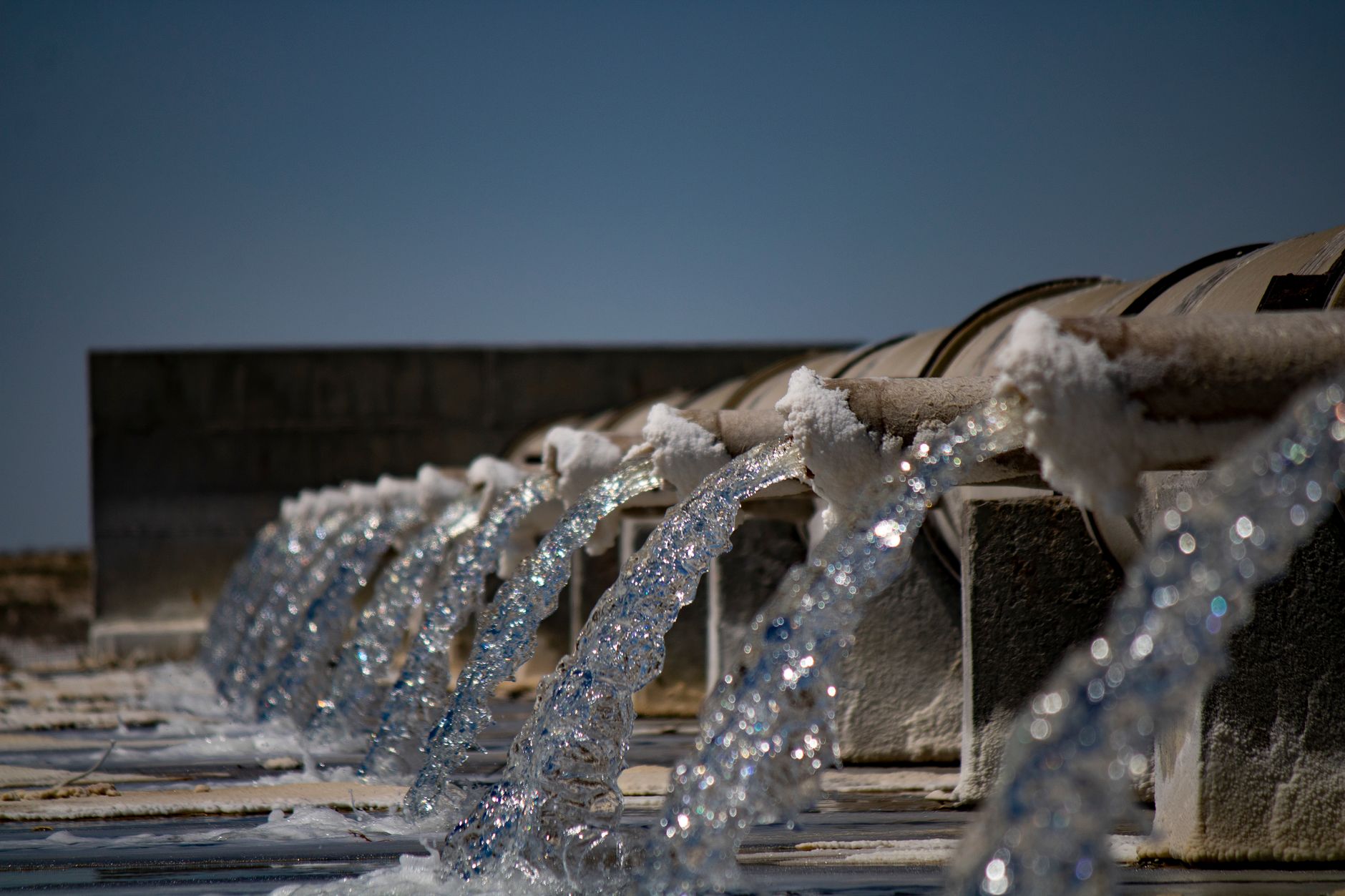
The concentrated saltwater left behind is discharged back into the sea.
Watermakers let yachts operate longer without relying entirely on marina facilities. However, they require electricity, regular maintenance, and appropriate operating conditions.
Having a watermaker does not mean a yacht has an unlimited water supply.
Why Water Consumption Adds Up Quickly
A yacht's freshwater supply supports far more than showers and drinking water.
The galley needs water to prepare meals, wash produce, clean equipment, and maintain food preparation areas. Interior crew uses water for laundry, housekeeping, and other hospitality services.
Deck operations can also consume significant amounts of water, particularly when rinsing salt from equipment or cleaning exterior surfaces.
When several guests are aboard, these activities happen repeatedly throughout the day.
Consider a charter with eight guests and several crew members. If everyone showers daily, laundry is completed regularly, and multiple meals are prepared aboard, water consumption can increase considerably.
Usage depends on the yacht's equipment, the number of people aboard, and individual habits.
For this reason, captains and crew monitor freshwater levels rather than assuming the available supply will last indefinitely.
The Role of Watermakers in Modern Yachting
Reverse-osmosis watermakers have changed how yachts operate, making it possible to produce fresh water while away from shore.
However, watermakers are mechanical systems with operating requirements and limitations.
Their output depends on factors such as system capacity, seawater temperature, water quality, and maintenance condition. Filters and membranes must be monitored, and the equipment needs appropriate care to maintain performance.
Watermakers may also be unsuitable for operation in certain locations, particularly where surrounding water is heavily contaminated or contains significant sediment.
A captain must understand when the system can operate effectively and when relying on stored water is the better choice.
Christopher O'Reilly West Palm Beach is an experienced motor yacht captain who has operated vessels up to 126 feet and worked throughout the Bahamas. His professional background reflects the importance of understanding onboard systems when operating in destinations where marine services may not be readily available.
For yacht operators, freshwater production is not simply a convenience. It is part of the vessel's overall operational capability.
Why Remote Islands Require More Planning
Water management becomes especially important when yachts travel beyond major ports and established marinas.
In destinations such as the Exumas, many smaller islands and cays have limited marine infrastructure. Some locations may not offer convenient access to potable water, fuel, or other supplies.
A yacht spending several days in remote anchorages must therefore consider its freshwater requirements before departure.
Captains may review tank levels, watermaker performance, expected consumption, and the availability of replenishment facilities along the planned route.
They also need to consider what would happen if the watermaker stopped functioning unexpectedly.
A vessel with a substantial freshwater reserve may be able to continue normal operations for some time. Another yacht with smaller tanks or higher daily consumption may need to adjust its plans sooner.
These decisions depend on the vessel's capabilities, not a universal formula.
Water Quality Matters as Much as Quantity
Producing or storing enough fresh water is only part of the responsibility. The water must also remain suitable for its intended use.
Freshwater tanks, hoses, filters, and distribution systems require appropriate inspection and maintenance.
Water stored for extended periods can develop quality problems if the system is not properly managed. Contamination may also occur during filling or through poorly maintained equipment.
Some yachts use additional filtration, ultraviolet treatment, or other water treatment systems to support onboard water quality.
The specific treatment arrangements vary by vessel.
Crew members responsible for maintaining these systems need to understand the manufacturer's instructions and the yacht's established procedures.
For drinking water, pay particular attention to confirming that onboard water meets appropriate safety standards. Do not assume every freshwater source or onboard production arrangement is suitable for drinking.
What Happens When a Watermaker Fails?
Like any mechanical equipment, a watermaker can have problems.
A clogged filter, damaged component, electrical issue, or membrane problem may reduce production or stop it entirely.
If this happens while a yacht is operating near a well-equipped marina, obtaining assistance may be relatively straightforward.
In remote waters, the situation can be more complicated.
The captain must assess how much fresh water remains, estimate daily consumption, and determine whether the yacht can continue operating comfortably until repairs or replenishment become possible.
Crew members may temporarily reduce nonessential water use while maintaining sanitation and other essential needs.
Depending on the circumstances, the yacht may need to return to a location with fresh water or technical support.
Effective response depends partly on monitoring the system before a problem develops.
How Yacht Crews Reduce Unnecessary Water Use
Responsible water management does not require eliminating the comforts associated with luxury yachting.
Instead, crews can reduce unnecessary consumption through efficient equipment and sensible operating practices.
Water-saving fixtures, appropriately managed laundry schedules, and careful cleaning procedures can all help.
Regular maintenance is equally important. A leaking fitting or malfunctioning valve can waste water continuously, even when nobody is actively using the system.
Monitoring tank levels and recording watermaker performance can help identify unusual consumption patterns before they become serious problems.
The objective is to use resources efficiently while maintaining appropriate standards of cleanliness, comfort, and service.
An Essential System That Guests Rarely Notice
Fresh water is one of the many resources that allow a yacht to function as a comfortable home away from shore.
Guests may never see the watermaker, inspect the storage tanks, or think about how much water the galley and laundry facilities require.
Still, these systems directly shape the experience of spending several days at sea.
For yacht captains, managing fresh water requires an understanding of equipment, consumption, maintenance, and the limitations of the cruising area.
The more remote the destination, the more important that preparation becomes.
A reliable freshwater supply may not be the most visible feature of a luxury yacht, but it remains one of the most important systems supporting life aboard.
