

Home maintenance has a way of becoming urgent at the worst possible time. A lawn can get overgrown after a stretch of rain. Leaves can collect faster than expected. A driveway may start to look worn, and the first major snowfall can arrive before homeowners have even thought about winter preparation.
That is why seasonal property maintenance is often easier when it is treated as an ongoing process rather than a list of emergency jobs.
Planning does not require a complicated maintenance calendar. In many cases, it simply means knowing which tasks are likely to become important as the weather changes and handling them before they become larger projects.
Start With High-Use Areas
Not every maintenance task needs the same level of attention.
Homeowners can begin by looking at the areas they use most often. Lawns, walkways, driveways, patios, entryways, and heavily used outdoor spaces tend to show wear first.
Gabriel Soffer, founder and owner-operator of Gabriel’s Lawn Service GLS LLC in Pottstown, Pennsylvania, says one of the advantages of staying ahead of seasonal work is that homeowners can address smaller jobs before they begin piling up.
Through his owner-operated business, Soffer provides lawn care, yard clean-outs, pressure washing, snow removal, and related property services for homeowners in Pottstown and select nearby communities.
For homeowners, the goal does not have to be perfection. It can be more useful to focus on keeping high-use areas clean, safe, and manageable throughout the year.
Spring Is a Time to Reset
Winter can leave behind more than snow.
Branches, leaves, dirt, and other debris can collect around a yard. Outdoor surfaces may also show stains or buildup that were less noticeable during colder months.
A spring clean-out can help homeowners see what needs attention. Once debris is removed, it becomes easier to identify areas that may need mowing, trimming, mulching, seeding, or cleaning.
Pressure washing can also play a role in a seasonal reset. Driveways, patios, walkways, and similar surfaces can gradually collect dirt and grime. Cleaning these areas can improve their appearance without requiring a larger renovation.
The key is not waiting until every outdoor task needs to be completed at once.
Summer Maintenance Is About Consistency
During warmer months, lawn care often becomes more repetitive.
Mowing, trimming, and general cleanup may need attention more frequently. The challenge for homeowners is often finding enough time to keep up with those smaller jobs.
This is where consistency matters. A lawn that is maintained regularly is usually easier to manage than one that is ignored for several weeks and then requires a major cleanup. The same principle can apply to overgrowth, leaves, and other outdoor maintenance.
Soffer’s approach to local property care is built around flexibility rather than requiring every customer to follow the same schedule. By maintaining a focused service area around Pottstown, he can adapt services to seasonal conditions and individual property needs.
That flexibility can be especially useful for homeowners whose schedules or maintenance needs change throughout the year.
Fall Preparation Can Make Winter Easier
Fall is often the best time to think about winter maintenance.
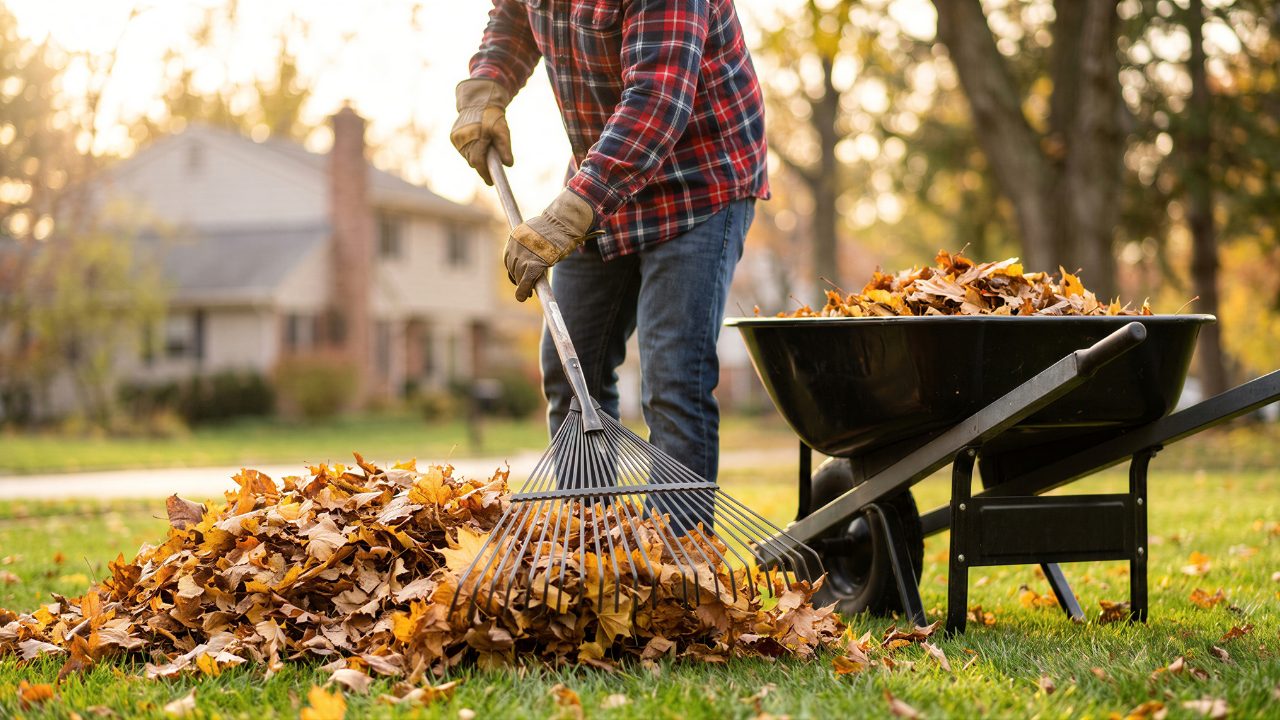
Leaves and yard debris can make outdoor spaces harder to manage once temperatures drop. Clearing these areas before the first major snowfall can make winter cleanup simpler.
It is also a good time to look at driveways, walkways, and entrances. These are the areas homeowners are most likely to need immediately after a snowstorm.
Snow removal is one of the most time-sensitive types of seasonal property maintenance. Unlike mowing or pressure washing, it often cannot be delayed for several days without becoming inconvenient.
Preparing in advance can mean knowing which areas will need to be cleared first and having a plan before bad weather arrives.
Choose Tools for the Job
A practical property-maintenance approach does not depend on one type of equipment. Soffer uses a mix of gas-powered, battery-powered, electric, and traditional equipment, selecting the right option based on the property, conditions, and work required.
Battery-powered and electric tools can reduce noise and emissions for suitable tasks, while other equipment may be more appropriate for demanding outdoor work.
For homeowners, the useful lesson is simple: the most practical option is not always the newest or most powerful tool. It is the one that fits the job.
Small Jobs Are Easier to Manage Early
Seasonal maintenance does not have to mean constantly working on a property. In many cases, handling smaller tasks at the right time can reduce the amount of work required later.
A yard clean-out can prevent debris from building up. Regular mowing can keep a lawn manageable. Pressure washing can refresh outdoor surfaces before buildup becomes more noticeable. Preparing walkways before winter can make snow removal easier when storms arrive.
For busy homeowners, an effective maintenance strategy may simply be paying attention to what the next season is likely to bring.
A property will always require some work. The difference is whether that work is handled gradually or allowed to become an emergency. Planning ahead gives homeowners more control over that choice.
