

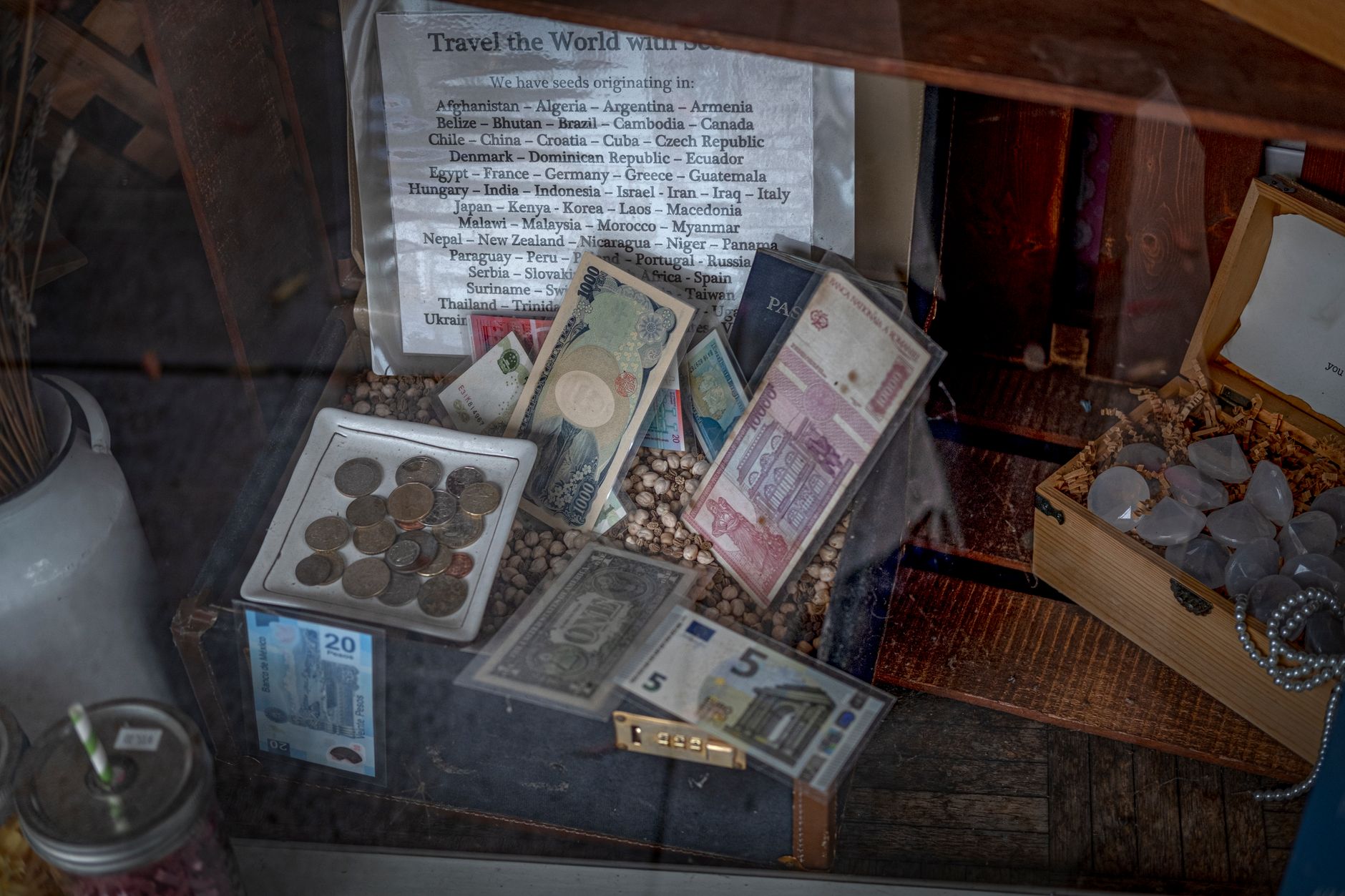
Selling a coin collection can feel overwhelming if you are not sure where to start. Many people in West Columbia, TX, and nearby areas find themselves holding old coins, inherited collections, or jars of change without knowing what anything is worth. Traveling coin buyers offer a local and convenient way to evaluate and sell coins without needing to ship them or visit multiple shops.
The American Rare Coin Collectors Association is one example of a group that organizes traveling events where experts visit different cities and set up temporary appraisal locations. These events are designed to make the process simple, transparent, and accessible for everyday people.
What Are Traveling Coin Buyers
Traveling coin buyers are professionals who move from city to city to evaluate and purchase coins. Instead of operating from a single storefront, they set up temporary locations in hotels, conference rooms, or event spaces.
Their goal is to meet people where they are. This makes it easier for local collectors and families to bring in coins without traveling long distances. These buyers typically stay in one location for several days, allowing enough time for people to walk in and have their collections reviewed.
Many traveling buyers specialize in U.S. coins, including silver coins, gold coins, and older collectible currency. Some also focus on error coins or rare historical pieces.
How the Process Begins
The process usually starts when you arrive at the event location. Most traveling coin buyers operate on a walk-in basis, so no appointment is required. You simply bring your coins in any form, such as boxes, jars, folders, or inherited collections.
When you arrive, staff members guide you through a simple check-in process. Your coins are then placed in a secure viewing area where they remain visible during evaluation. This helps create a transparent environment so you can watch the process.
There is no requirement for prior knowledge. Many people bring coins they have never sorted or identified before.
Initial Sorting of Coins
Once your collection is checked in, the first step is sorting. Experts quickly separate coins into categories. Common modern coins are usually set aside first, while older coins or unusual pieces are reviewed more carefully.
Coins may be grouped by type, such as pennies, nickels, dimes, quarters, silver coins, or gold coins. This helps organize the evaluation process and makes it easier to identify potentially valuable items.
At this stage, many people are surprised to learn that coins they assumed were ordinary may have collector value. Even small differences in date or mint mark can make a significant difference.
Evaluation by Coin Experts
After sorting, trained coin experts begin the detailed evaluation. They examine each coin closely, looking at condition, rarity, mint mark, and historical importance.
They often use magnifying tools to see fine details. These details can include small lettering, subtle design differences, or signs of minting errors. Some coins may be weighed or compared to known examples to confirm authenticity.
The evaluation is usually done in front of you. This allows you to see what the experts are seeing and understand how they determine value.
The American Rare Coin Collectors Association emphasizes that transparency during this step is important. Sellers should be able to follow the process and understand how each coin is assessed.
How Value Is Determined
Coin value is based on several factors. One of the most important is rarity. Coins produced in smaller numbers or surviving in limited quantities are often more valuable.
Condition is also important. A coin that shows little wear will usually be worth more than one that has been heavily circulated. Even small scratches or fading can affect value.
Metal content also plays a role. Silver and gold coins have intrinsic value based on metal prices, but collector demand can increase their worth beyond metal content alone.
Market demand is another factor. Some coins are more popular with collectors at certain times, which can affect pricing.
Receiving an Offer
Once evaluation is complete, you may receive an offer for your coins. This offer is based on current market conditions and the specific value of your collection.
There is no obligation to accept the offer. Many first-time sellers take time to review what they are being offered before making a decision. Others choose to sell immediately if they feel comfortable with the price.
If you accept, payment is usually made on the spot. This can be in cash or another agreed method, depending on the buyer.
What Happens After You Sell
After a transaction, coins are sorted again by the buyer. Some coins may be sent to grading services for certification, while others are added to inventory for resale.
Rare coins may be sold through auctions or specialty collectors. Common coins are often grouped by type or metal content and sold in bulk.
This process keeps coins circulating within the collector market and ensures that valuable items are properly placed.
Benefits of Using Traveling Coin Buyers
One of the biggest advantages of traveling coin buyers is convenience. You do not need to ship coins or travel long distances. Instead, experts come directly to your area.
Another benefit is access to immediate evaluations. You can bring in your collection and receive feedback and offers in a single visit.
For many people, especially those with inherited collections, this process also provides education. You learn what you own and why certain coins have value.
Events organized by groups like the American Rare Coin Collectors Association also provide a structured and professional environment where sellers can feel more comfortable asking questions.
Common Concerns from First-Time Sellers
Many first-time sellers worry about whether they should clean their coins before bringing them in. The answer is no. Cleaning can reduce value and is generally discouraged.
Another concern is whether small collections are worth bringing. Even a few coins can sometimes include valuable pieces, so it is always worth having them checked.
People also wonder how long the process takes. Smaller collections may be reviewed quickly, while larger collections can take more time depending on size and complexity.
Tips for a Smooth Experience
To make the most of your visit, it helps to bring all coins in their original condition. Avoid sorting or cleaning them beforehand. Let the experts evaluate them as they are.
It is also helpful to stay open-minded. Many people expect their coins to be worth very little, only to discover unexpected value.
Asking questions during the process is encouraged. The more you understand, the more confident you will feel about your decisions.
The American Rare Coin Collectors Association encourages sellers to view these events as both educational and practical. Understanding what you own is just as important as deciding whether to sell.
Why Traveling Coin Buyers Are Growing in Popularity
Traveling coin buyers continue to grow in popularity because they simplify the selling process. Instead of navigating online listings or distant auction houses, people can deal directly with professionals in their local area.
In communities like West Columbia, TX, these events provide a trusted way for families to learn about coins that may have been stored for years. What starts as curiosity often turns into a meaningful discovery of value and history.
Conclusion
Traveling coin buyers offer a straightforward and accessible way to sell coin collections locally. The process includes sorting, evaluation, explanation, and optional selling, all in one place.
For those working with the American Rare Coin Collectors Association, the experience is designed to be transparent and educational. Sellers gain a better understanding of their coins and often discover value they did not expect.
Whether you bring a small handful of coins or an entire collection, traveling coin buyers provide a convenient opportunity to explore what your coins are truly worth while staying close to home.
