

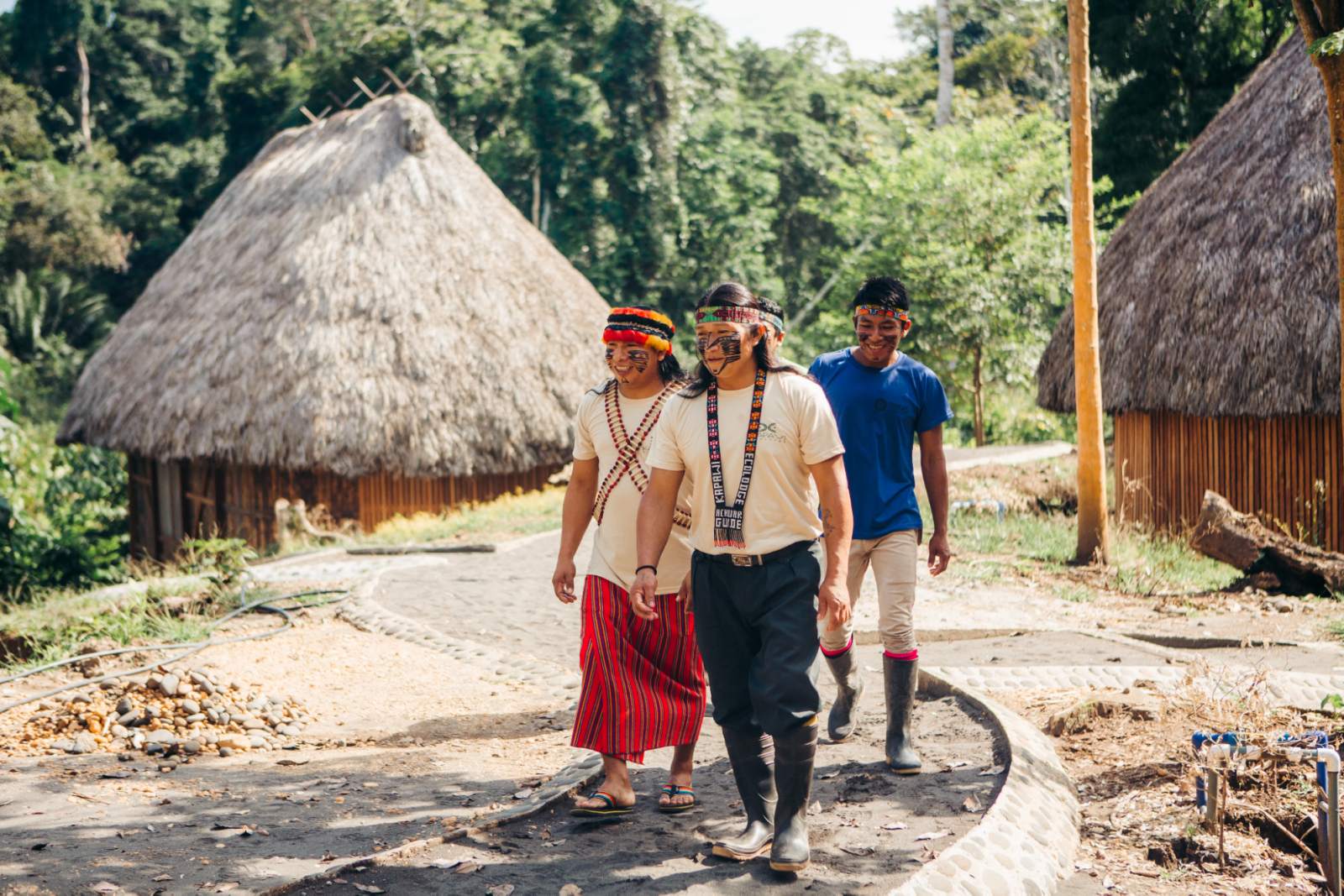
The Amazon rainforest is one of the most important natural environments on Earth. It is home to an extraordinary variety of plants and animals, supports millions of people, and plays a major role in regulating the global climate. Yet protecting the Amazon involves more than preserving trees and wildlife. It also means recognizing the people who have lived in these forests for generations.
Indigenous communities have developed extensive knowledge of the Amazon through centuries of experience. Their understanding of local ecosystems, seasonal changes, and natural resources is closely connected to their cultural traditions and everyday lives.
As deforestation, land disputes, and environmental pressures continue to threaten the region, Indigenous communities have an important role to play in protecting its future.
How Indigenous Knowledge Supports Rainforest Conservation
For many Indigenous communities, the rainforest is more than a collection of natural resources. It provides food, shelter, medicine, and materials used in everyday life. It is also closely connected to cultural identity, spiritual beliefs, and traditional ways of living.
Knowledge about the forest is often passed from one generation to another through observation, storytelling, and practical experience.
For example, community elders may teach younger generations how to recognize different plants, understand seasonal changes, or identify areas that require special care. These lessons help preserve knowledge that has developed through long relationships with the environment.
Among the Shipibo-Konibo people of the Peruvian Amazon, traditional plant knowledge remains an important part of cultural heritage. Experienced practitioners spend years and decades learning from older generations, developing an understanding of plants and the traditions associated with them.
This knowledge is valuable not only because of its cultural importance and deep healing potential but also because it offers perspectives on how people can live within forest environments while respecting their natural limits.
Conservation efforts can benefit from recognizing this experience and involving Indigenous communities in decisions affecting their territories.
Why Indigenous Land Rights Matter for the Amazon
One of the greatest challenges facing Indigenous communities in the Amazon is securing legal recognition of their ancestral lands.
Many communities have occupied particular territories for generations, but formal ownership or legal documentation may be incomplete. Without clear recognition, communities can face difficulties protecting their land from outside interests.
Land disputes can create uncertainty about who has the authority to make decisions involving forests, rivers, and other natural resources.
Legal recognition can help provide communities with greater security and strengthen their ability to participate in decisions about their territories.
It can also support long-term environmental planning. Communities with recognized land rights may be better positioned to organize conservation activities, monitor environmental threats, and establish rules for managing natural resources.
The issuing of a land titling is a large process and involves the mutual efforts of lawyers, indigenous leaders and local authorities.
However, land titles alone do not solve every problem. Effective protection also depends on legal enforcement, access to resources, and cooperation with public institutions.
For this reason, Indigenous land rights and rainforest conservation are closely connected.
The Connection Between Community Development and Conservation
Environmental protection is sometimes discussed separately from the everyday needs of people living in the Amazon. In reality, the two issues are often connected.
Remote Indigenous communities may face limited access to clean water, reliable electricity, healthcare, education, and transportation.
These challenges can affect economic opportunities and make it harder for communities to participate in development projects or environmental initiatives.
Improving basic infrastructure can strengthen community well-being while supporting broader conservation goals.
For example, reliable electricity can improve communication and educational opportunities. Access to clean water can reduce everyday hardships and prevent disease, while better transportation and communication networks can help communities coordinate amongst each other and with outside organizations.
In Peru's Ucayali region, Indigenous advocate Roger Mukanranko Bardales has supported initiatives involving land rights and enabled access to water and electricity for the Santa Martha Native Community near Pucallpa.
Such efforts demonstrate why community development should be considered alongside environmental protection.
When conservation programs recognize local needs, they have a stronger foundation for building cooperation and encouraging long-term participation.
How Community-Led Reforestation Can Protect the Amazon
Deforestation remains a major concern throughout parts of the Amazon. Forest loss can damage wildlife habitats, affect water systems, and reduce the natural resources that local communities depend on.
Reforestation offers one way to help restore damaged areas, but successful projects require careful planning.
Planting trees is only one part of the process. Communities must also consider which species belong in a particular area, how young trees will be maintained, and whether the restored forest can survive over time.
Indigenous knowledge can contribute to these decisions.
People who have lived in a region for generations may understand local soil conditions, seasonal rainfall, and the relationships between different plant species.
Community participation is also important because restoration projects often require years of monitoring and maintenance.
One proposed conservation initiative involving Asháninka communities near the Peru–Brazil border aims to support forest protection and restore damaged land through local participation.
Projects of this kind highlight the importance of allowing communities to help define conservation priorities rather than simply carrying out plans developed elsewhere.
Why International Partnerships Must Respect Local Leadership
Protecting the Amazon requires cooperation among Indigenous communities, governments, nonprofit organizations, researchers, and international supporters.
Outside partnerships can provide funding, technical knowledge, legal assistance, and connections to institutions that might otherwise be difficult to access.
However, effective cooperation begins with understanding the priorities of the communities involved.
A project designed to protect a forest may have limited success if it does not consider local land rights, cultural practices, or economic needs.
Similarly, infrastructure improvements should be developed through consultation with the people who will use and maintain them.
International organizations can play an important supporting role, but Indigenous communities should have meaningful influence over decisions affecting their territories.
This approach encourages shared responsibility and helps ensure that projects respond to actual community needs.
It also recognizes that protecting Indigenous culture and protecting the environment are not competing goals.
Protecting the Amazon Means Investing in Its People
The future of the Amazon rainforest depends on many factors, including environmental policies, responsible land management, and efforts to reduce deforestation.
Yet conservation cannot succeed through environmental measures alone.
Indigenous communities bring generations of knowledge, cultural connections, and direct experience managing life within the rainforest. Their participation is essential to developing approaches that are practical, respectful, and sustainable.
Recognizing land rights, improving access to essential services, and supporting community-led restoration can help address environmental challenges while strengthening Indigenous communities.
Ultimately, protecting the Amazon means recognizing that the forest is both an ecological treasure and a home.
Its long-term preservation will depend in part on ensuring that the people who have cared for it across generations have the rights, resources, and opportunities to continue doing so.
