

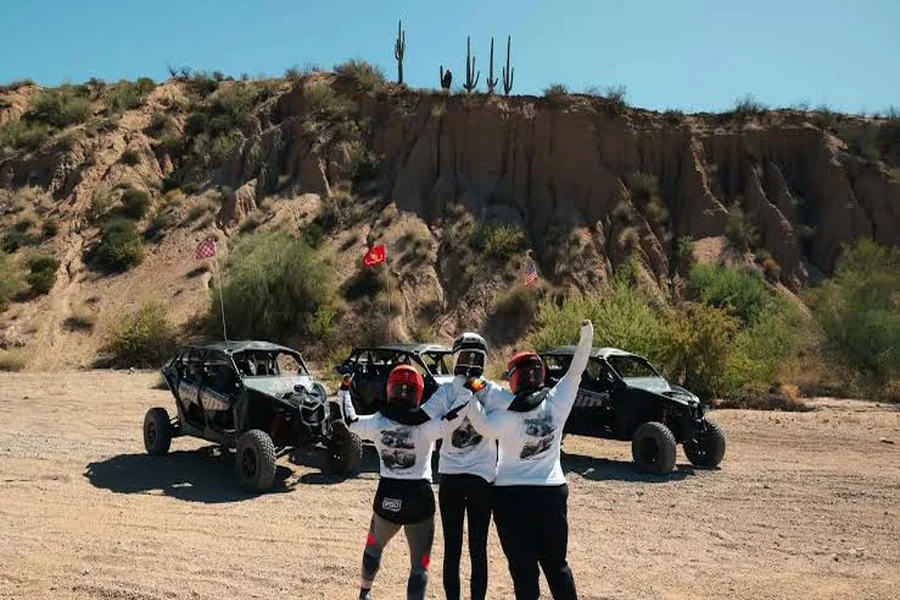
Before You Book, Know What You Are Signing up For
A first off-road tour is not like a theme park ride. You are not strapped into something that moves on its own. Most guided desert trips put you behind the wheel of an ATV or a UTV, with a guide leading a small group over sand, rock, and washboard trails.
That distinction matters. You will steer, brake, and accelerate yourself, usually within minutes of a short briefing. If you want a passive experience, ask ahead of time whether a passenger seat is available. Many companies offer one, especially for kids or riders with health concerns.
Check the minimum age and any weight limits before you book. Desert terrain also means heat for much of the year. A tour booked for mid-afternoon in summer is a very different experience than one booked at sunrise.
What Happens When You Arrive
Plan to get there earlier than you think you need to. Most outfitters build in thirty minutes or more for waivers, safety gear, and a basic driving lesson before anyone touches the throttle.
The briefing usually covers three things: how to use the hand controls, what hand signals the guide will use on the trail, and what to do if your vehicle gets stuck. Pay attention to the stuck-vehicle part. It happens to almost everyone eventually, and knowing not to gun the throttle in soft sand saves time and frustration.
Groups are typically kept small enough that a guide can see every rider. If you are nervous, say so before you start. Most guides will put a first-timer near the front of the line, right behind them, so you can watch their line through turns and obstacles.
The Ride Itself: What First-Timers Usually Get Wrong
New riders tend to make the same handful of mistakes. They grip the handlebars too tight, which makes the vehicle feel harder to control than it is. They brake too hard going downhill instead of letting the vehicle’s gearing slow it naturally. And they stare at the obstacle they are trying to avoid instead of the path around it, which often steers them right into it.
Speed is rarely the issue that causes problems. Tension is. A relaxed grip and a loose stance, with knees slightly bent, absorbs the bumps far better than a stiff one.
Dust is another thing people underestimate. Following too closely behind another vehicle means riding in a cloud of it. Guides usually ask riders to keep a gap of several vehicle lengths, both for visibility and for safety if someone stops suddenly.
Gear and Comfort
Closed-toe shoes are non-negotiable on almost every tour. Sunglasses or goggles help more than people expect, since desert glare and dust both hit you most of the ride. A buff or bandana over the nose and mouth makes a real difference on dustier trails.
Water matters more than most first-timers plan for. Dry desert air pulls moisture out of you faster than it feels like it should, and a two-hour tour in the heat can leave a dehydrated rider feeling off for the rest of the day. Bring more water than seems necessary, and drink before you feel thirsty.
Sunscreen is easy to forget when you are focused on gear checks and waivers, but desert sun at elevation burns fast, even on an overcast day.
Russell Mann, a Las Vegas entrepreneur who has built outdoor adventure and tourism businesses around off-road and ATV experiences, has noted that the preparation before a guest ever starts the engine shapes most of how the ride itself goes. A rushed or confused start tends to carry nervous energy onto the trail, while a calm, unhurried briefing tends to produce a more relaxed rider.
After the Tour
Expect to be tired in a way that surprises you. Off-roading uses core and arm muscles that most people do not work in a normal week, even on a short tour. Some soreness the next day is normal.
Photos and video are usually offered, either from a guide’s camera or from mounted cameras on the vehicles. If that matters to you, ask about it when you book rather than assuming it is included.
Most riders leave wanting a longer route next time. First tours are often kept shorter and more controlled on purpose, as a way to build comfort before tackling rougher terrain. That is normal, and it is worth asking what a second, longer trip looks like once you know you enjoy it.
